
How AI Is Changing Personal Finance Management Forever
In today’s fast-paced digital age, technology is reshaping everything—from how we shop to how we invest. But one of the most revolutionary changes is happening in a place you might not expect: your wallet.
Yes, AI personal finance tools are rapidly changing how people manage their money, save for the future, and make smarter financial decisions.
With the help of smart finance AI, everyday consumers are gaining access to tools that used to be exclusive to Wall Street analysts and private wealth advisors. So what does that mean for you and your financial future?
Let’s dive into the ways AI for money management is transforming personal finance forever—and how you can leverage it today.
What Is AI in Personal Finance?
AI personal finance refers to the use of artificial intelligence technologies such as machine learning, natural language processing, and data analytics to help individuals manage their finances.
These tools analyse your spending habits, predict financial trends, automate savings, and even invest your money on your behalf.
Think of AI as a 24/7 financial assistant that never sleeps, never forgets, and always uses data to make better decisions.
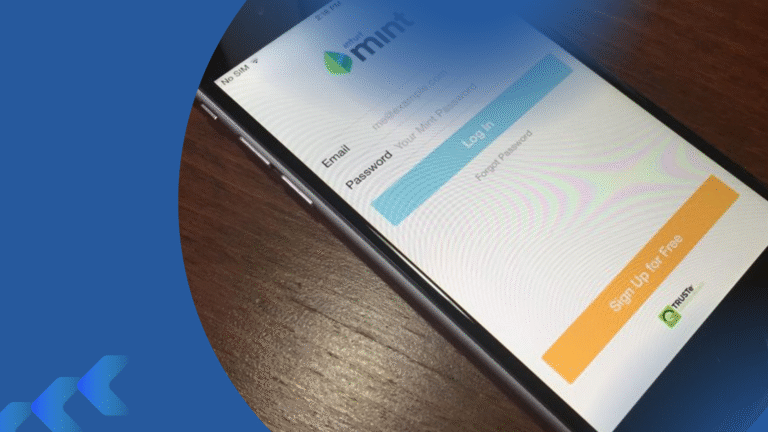
Companies like Mint, YNAB (You Need a Budget), and Cleo are integrating AI into their platforms to help you budget smarter, while investment firms such as Wealthfront and Betterment are pioneering AI-driven investing.
How Is AI Changing Personal Finance Management?
i. Budgeting and smarter spending:
Budgeting is often the first step toward financial freedom, but let’s be honest: most people find it tedious. This is where smart finance AI shines.
AI-powered budgeting apps like Cleo and PocketGuard don’t just track your expenses. They analyze them, categorize them, and even predict your future spending habits.
These tools send you real-time notifications when you’re overspending and offer suggestions to stay on track.
Example Use Case:
Let’s say you spend $120 on eating out every week. An AI tool will flag that, compare it to your income, and suggest a realistic budget—even recommending takeout deals in your area to help you save.
Why It Matters:
The more data AI has, the better it gets. Over time, your AI budgeting assistant becomes incredibly accurate, giving you tailored advice instead of generic recommendations.
ii. Savings and Investment Strategies:
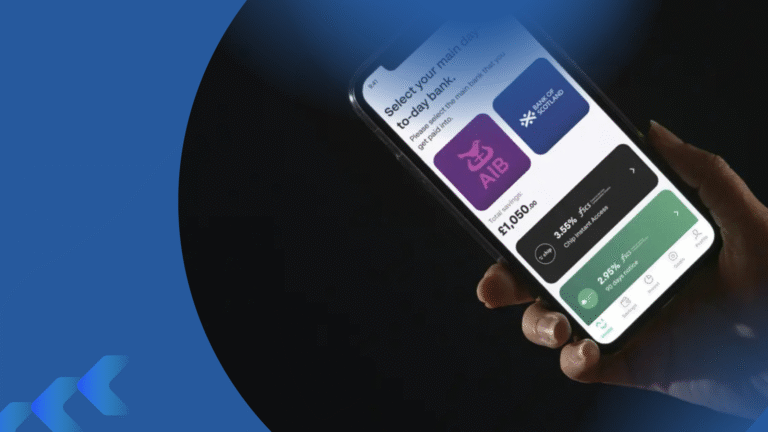
One of the most powerful aspects of AI for money management is automated savings. Apps like Digit and Qapital use AI to analyze your spending habits and automatically transfer small amounts of money into savings without you noticing.
But what about investing?
That’s where robo-advisors come in. These AI-driven platforms automatically invest your money based on your risk tolerance, financial goals, and market conditions.
Popular AI Investment Platforms
They optimise your portfolio using algorithms that continuously rebalance based on market changes, something even human advisors can struggle to keep up with.
iii. Credit Scoring and Lending:
Traditional credit scoring is limited. It often ignores alternative financial behaviours like rent payments, utility bills, or freelance income.
AI models, on the other hand, can take in broader data to assess your creditworthiness more accurately.
Platforms like Upstart and Kabbage use AI to approve loans for users who may be overlooked by traditional banks. This opens up credit access to more people while reducing the lender’s risk.
Real-World Impact:
More inclusive financial services mean more people can build credit, qualify for loans, and access better interest rates.
iv. Financial Advisors (Robo-Advisors):
The rise of smart finance AI is making traditional financial advisors rethink their strategies. Robo-advisors use machine learning to create custom portfolios, optimise tax strategies, and provide long-term wealth planning.
These services are:
- Low-cost (often 0.25% or less in management fees)
- Always available
- Not emotionally driven like humans
Robo-advisors like Ellevest also tailor investments based on personal goals and values — such as supporting women-led companies or green energy startups.
v. Fraud Detection and Security:
Cybersecurity is a major concern in finance. AI is helping detect and prevent fraud faster than ever before. Banks use AI algorithms to monitor transactions and flag suspicious behaviour in real time.
Example:
- Unusual login from a different location
- Uncharacteristic purchases
- Multiple failed login attempts
Companies like Darktrace and Feedzai use AI to identify and respond to potential threats before they become financial disasters.
Benefit to You:
Better security, fewer false alarms, and peace of mind.
vi. Tax Planning and Optimisation:
Tax season is stressful, but AI is helping make it a lot smoother. Platforms like TurboTax and H&R Block are incorporating AI to:
- Analyze your financial data
- Suggest tax deductions
- Predict your refund amount
As more of your financial life is digitised, AI will eventually help you plan your taxes throughout the year — not just in April.
vii. Voice Assistants:
Voice assistants like Siri, Alexa, and Google Assistant can now perform financial tasks thanks to integration with AI personal finance apps.
You can:
- Check your account balance
- Transfer money
- Pay bills
- Get financial advice
Apps like Erica from Bank of America combine voice with predictive analytics, offering suggestions on budgeting and alerts when something looks off.
Challenges and Risks of AI in Personal Finance
While the benefits of AI for money management are undeniable, there are challenges:
- Data Privacy: AI tools require access to your financial data, raising concerns about how securely that information is stored.
- Algorithmic Bias: If AI is trained on biased data, it can make flawed decisions — like denying credit unfairly.
- Overdependence: Relying solely on AI without understanding basic financial principles can backfire.
The Future of Smart Finance AI
Looking ahead, smart finance AI is likely to get even more powerful — and more personalised.
Here’s what we expect in the next 5 years:
- Hyper-Personalised Financial Roadmaps: AI will create custom plans for every user, factoring in life events like weddings, kids, job changes, and retirement.
- Predictive Finance: Based on your spending and economic trends, AI will forecast financial pitfalls before they happen.
- AI Coaching: Voice-based financial coaches will help guide you through day-to-day money decisions.
Soon, AI personal finance will be as common as mobile banking — and just as essential.
Conclusion
Should You Trust AI with Your Money?
AI isn’t perfect, but it’s an incredible advancement in personal finance. From smarter budgeting and investing to better security and inclusive lending, AI for money management is levelling the financial playing field.
If you’re not using smart finance AI tools yet, you’re probably leaving money on the table. Start small. Connect a budgeting app, try a robo-advisor, or use a voice assistant for daily tasks. As AI gets smarter, so will your financial decisions.